Custom AI Predictive Maintenance: When It Is Worth Building, and When It Is Not
Predictive maintenance is one of the slowest-paying AI categories for most manufacturers. Custom predictive maintenance AI solutions earn their cost in three specific conditions. How to tell if you are in them.
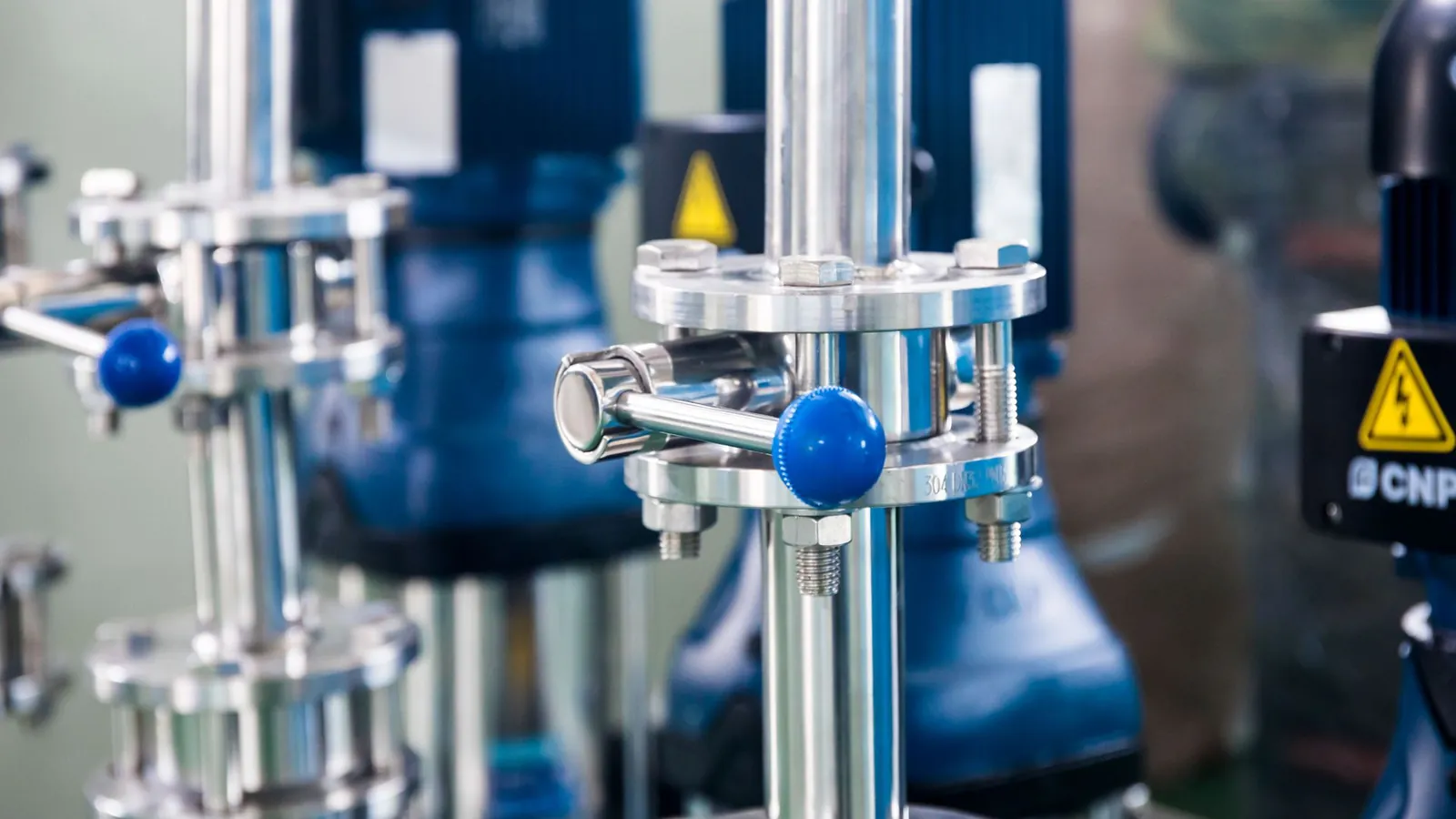
Start with the uncomfortable truth: for most manufacturers, custom AI predictive maintenance is one of the slowest-paying AI projects you can pick. It is also the one vendors pitch first. Both things are true. The category is real and it ships, but it earns its cost only under specific conditions, and the value of this article is telling you what those conditions are so you can check whether you are in them before you commit a budget.
AI predictive maintenance needs preconditions most plants lack
A predictive model learns to spot the early signal of a failure. To do that it needs three things, and missing any one stretches the payback from months into years. It needs sensor coverage dense enough to see the early signal. It needs enough historical failure data to learn what that signal looks like. And it needs a maintenance team that will change its routine to act on a prediction instead of running equipment to failure.
Most plants have none of the three on day one. So the project quietly becomes a sensor-deployment programme with an AI label, which is fine but is not what the brief asked for. This is the same finding gamgi reports in manufacturing audits: the press goes to predictive maintenance, the payback goes to production scheduling and supplier communication. For the plant without the preconditions, the honest advice is to start elsewhere and come back to this later. Everyone else gets to predictive maintenance ROI in three to five years, not three to five months.
Quick self-check: do you already have condition-monitoring sensors on the asset, at least a couple of years of logged failures, and a maintenance team that acts on early warnings? If you answer no to any one, a custom predictive build is probably not your next project.
Three conditions that justify custom predictive maintenance AI
There is a real exception, and inside it a custom build beats both doing nothing and buying a generic platform. All three conditions have to hold at once.
- The preconditions are already met. You have the sensors, the failure history, and a team that acts on predictions. The slow part, the instrumentation, is behind you, so the model starts paying back quickly instead of waiting on a multi-year sensor rollout.
- Unplanned downtime is genuinely expensive. A single line stop costs you tens of thousands, or a failure carries a safety or contractual penalty. When the downside is that large, even a modest reduction in surprise failures pays for the build fast.
- Your failure modes are asset-specific. Off-the-shelf predictive maintenance software is trained on generic equipment. If your machines, duty cycles, or failure patterns are unusual, a generic model underperforms, and a model trained on your own history is worth building.
A custom build for predictive maintenance starts on one asset
Even inside the exception, the build that ships is narrow. You do not model the whole plant. You pick the single asset where unplanned downtime hurts most and where you already have the data, and you prove the model there before extending it. That keeps the project from becoming the multi-year instrumentation programme that sinks the broad version, and it gives you a measurable before-and-after on one machine rather than a vague promise across forty.
The discipline is the same one that separates AI projects that reach production from those that stall: treat it as a constrained end-to-end deployment, not a confidence-building demo to scale up later. An audit-first process is how you confirm the three conditions actually hold before anyone builds, rather than discovering at month nine that the failure history was too thin to train on. The honest version of AI for predictive maintenance is built on one asset, against real logged failures, with a team ready to act, or it is not built yet. The fastest way to check your readiness is a scoping conversation.
When predictive maintenance is not your next AI project
Three clear signals to sequence it later.
- You have no failure history. If you cannot point to a couple of years of logged failures on the asset, the model has nothing to learn the early signal from. Collect the data first.
- Your team runs to failure by choice. If the maintenance culture will not act on an early warning, the prediction is ignored and the spend is wasted. The workflow change has to come first or alongside.
- The back office is still on paper. If scheduling and supplier communication are manual, those usually pay back faster than predictive maintenance. Do the quick wins, fund the slow build from them.
- For most plants, predictive maintenance is one of the slowest-paying AI categories, even though it is pitched first.
- It needs sensor coverage, historical failure data, and a team that acts on predictions. Missing one stretches payback into years.
- A custom build is justified only when all three preconditions hold, downtime is expensive, and your failure modes are asset-specific.
- Even then, build on one asset against real logged failures and prove it before extending across the plant.
- If you lack failure history, your team runs to failure by choice, or the back office is still manual, sequence it later.
Custom predictive maintenance AI solutions are worth building in a narrow set of conditions, and a slow, expensive mistake outside them. The audit is where you confirm the sensors, the failure history, and the team readiness actually exist before you commit. gamgi runs a two-week diagnostic that checks those preconditions and scopes the first asset to build for, if the case holds. Do you have two years of logged failures on the machine you would start with?
Book your AI audit