Custom AI Supply Chain Optimization: Start With the Planner, Not the Algorithm
The supply chain that runs on one planner’s spreadsheet is the real starting point for custom AI supply chain solutions. Where AI pays back fast, and why autonomous planning is not it yet.
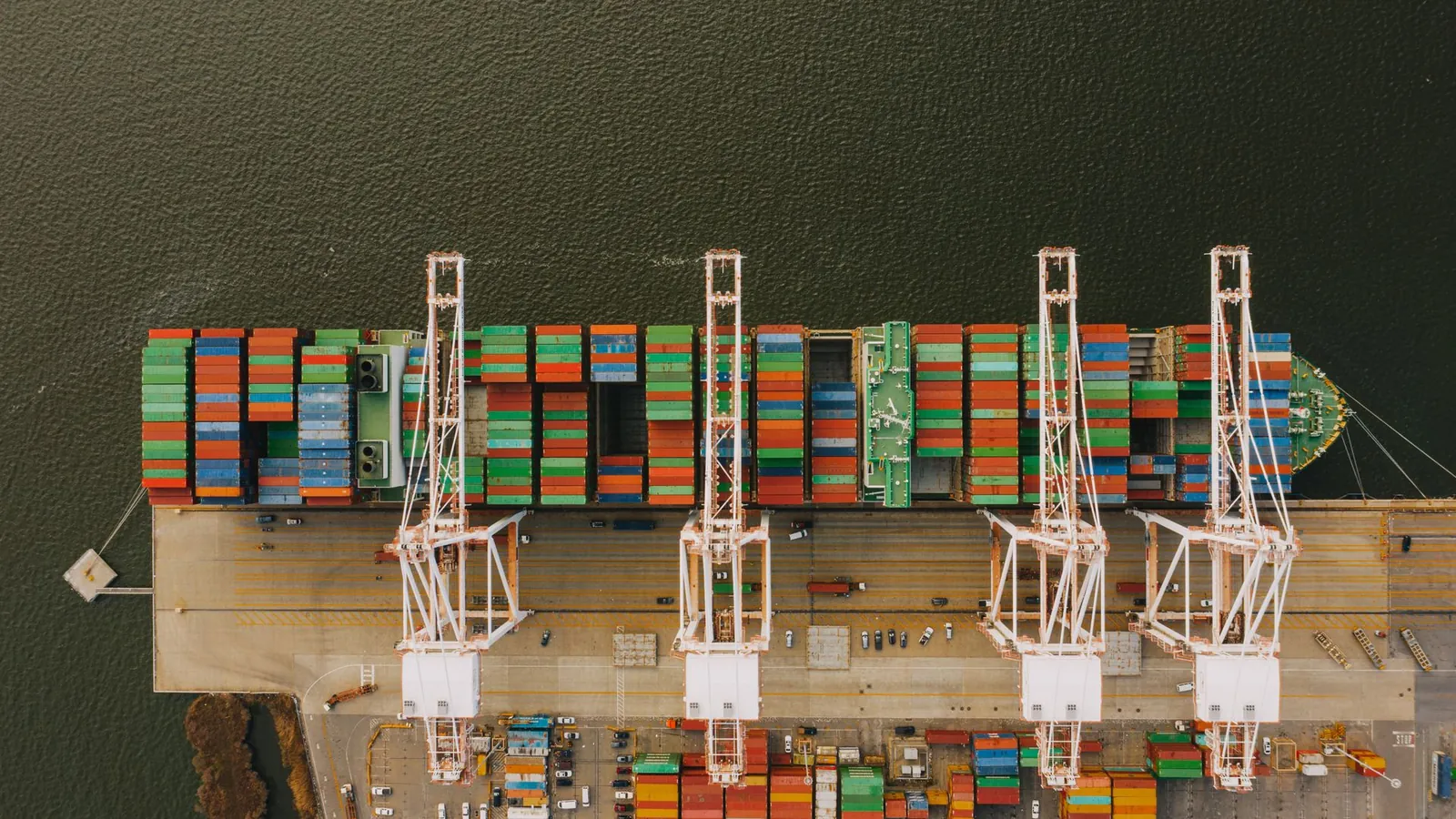
In most mid-market companies, the supply chain is run by one person and one spreadsheet. The planner knows which supplier slips in August, which SKU the forecast always misses, and which customer you never short. None of that is written down. Custom AI supply chain optimization that pays back starts there, by giving that planner better inputs and faster exception handling, not by replacing their judgement with the autonomous planning engine the vendor deck promises.
AI supply chain optimization fails when the rules live in someone’s head
Vendors love to pitch end-to-end optimisation: feed the AI your data and it schedules production, places orders, and balances inventory on its own. The pitch skips the reason these projects stall. An optimiser needs a written constraint set, the rules, priorities, and exceptions that govern real decisions. In most companies those rules are tacit. They live in the planner’s head and their inbox, not in any system.
So the honest first project is rarely the optimiser. It is encoding the constraint set: documenting how decisions actually get made, then automating the parts that are mechanical. This mirrors what gamgi finds in manufacturing audits, where the press goes to predictive maintenance and the payback goes to the planner’s desk. Supply chain is the same shape. The dramatic category is slow to pay; the dull category, supplier communication, demand-signal cleanup, exception flagging, pays in a quarter.
The diagnostic question: if your lead planner left tomorrow, how much of the operation would break? If the answer is “most of it,” your first AI project is capturing what they know, not buying an engine that assumes it is already captured.
Four AI for supply chain projects ranked by payback
Ordered by how fast they return, not by how impressive they sound in a board meeting.
- Supplier communication triage. A large share of a planner’s day goes to reading supplier emails: confirmations, delays, partial shipments. AI that reads these, extracts the change, and flags what affects your plan returns time immediately and needs no forecast model.
- Exception detection. Most planning is fine until it is not. A system that watches for the orders, lead times, and stock levels drifting out of normal range, and surfaces only those, beats a dashboard nobody checks.
- Demand-signal cleanup. Forecasts fail on dirty inputs: promotions not flagged, one-off bulk orders treated as trend. AI that cleans and annotates the demand history often improves the forecast more than a fancier forecasting algorithm would.
- Assisted planning, then automated. Only once the constraint set is written down does an optimiser make sense, and even then it should recommend to the planner first, automate second. The order matters.
Custom AI supply chain management starts narrow on purpose
The supply chain AI software that ships is scoped to one painful, well-understood step, not the whole network. A distributor drowning in supplier-delay emails does not need a planning brain. It needs the inbox triaged so the planner sees the three messages that change this week’s plan instead of reading ninety. That is a contained build with a clear before-and-after, and it is the kind of project that survives contact with production rather than joining the pilots that stall at the demo.
The trap is the opposite: a company commissions full AI supply chain management, spends a year feeding data into an optimiser, and ships nothing because the constraint set was never agreed. The optimiser keeps proposing plans the planner overrides, because it does not know the rules that were never written. Starting narrow avoids that, and an audit-first process is what keeps the scope honest. The build layer itself sits on capabilities; the sequencing is what decides the outcome, and a paid audit is where that sequence gets set.
When custom AI is not your supply chain priority
Three cases where the money goes elsewhere first.
- Your ERP already does it. Modern ERP and planning suites ship strong optimisation. If you are not using what you already pay for, configure that before commissioning anything bespoke.
- The data is not connected. If orders, inventory, and supplier records live in systems that do not talk, the first job is integration, not AI. An optimiser over disconnected data optimises a fiction.
- The real problem is physical. If you are short on warehouse space or trucks, no model fixes that. AI sharpens decisions; it does not move pallets.
- The supply chain usually runs on one planner’s tacit knowledge. Capturing it is the first project, not buying an optimiser.
- Autonomous planning needs a written constraint set most companies do not have. Without it, the optimiser proposes plans the planner overrides.
- Fast payback lives in supplier-email triage, exception detection, and demand-signal cleanup, not in the headline category.
- Scope narrow on purpose: one painful step shipped beats a network-wide optimiser that never leaves the demo.
- Skip the custom build if your ERP already optimises, your data is not connected, or the constraint is physical.
Custom AI supply chain solutions pay back when they start from how your planner actually decides, then automate the mechanical parts around that judgement. The audit is where the undocumented rules get written down and the first build gets scoped to something that ships. gamgi runs a two-week diagnostic that ends with a ranked opportunity map and one project you own. If your lead planner left tomorrow, how much of the operation would still run?
Book your AI audit