End-to-End AI Development for Retail: Depth Through One Workflow Beats a Suite of Demos
In retail, end-to-end is sold as breadth. What ships is depth: a vendor who owns the unglamorous integration so one workflow runs in production. How to scope an end-to-end retail build.
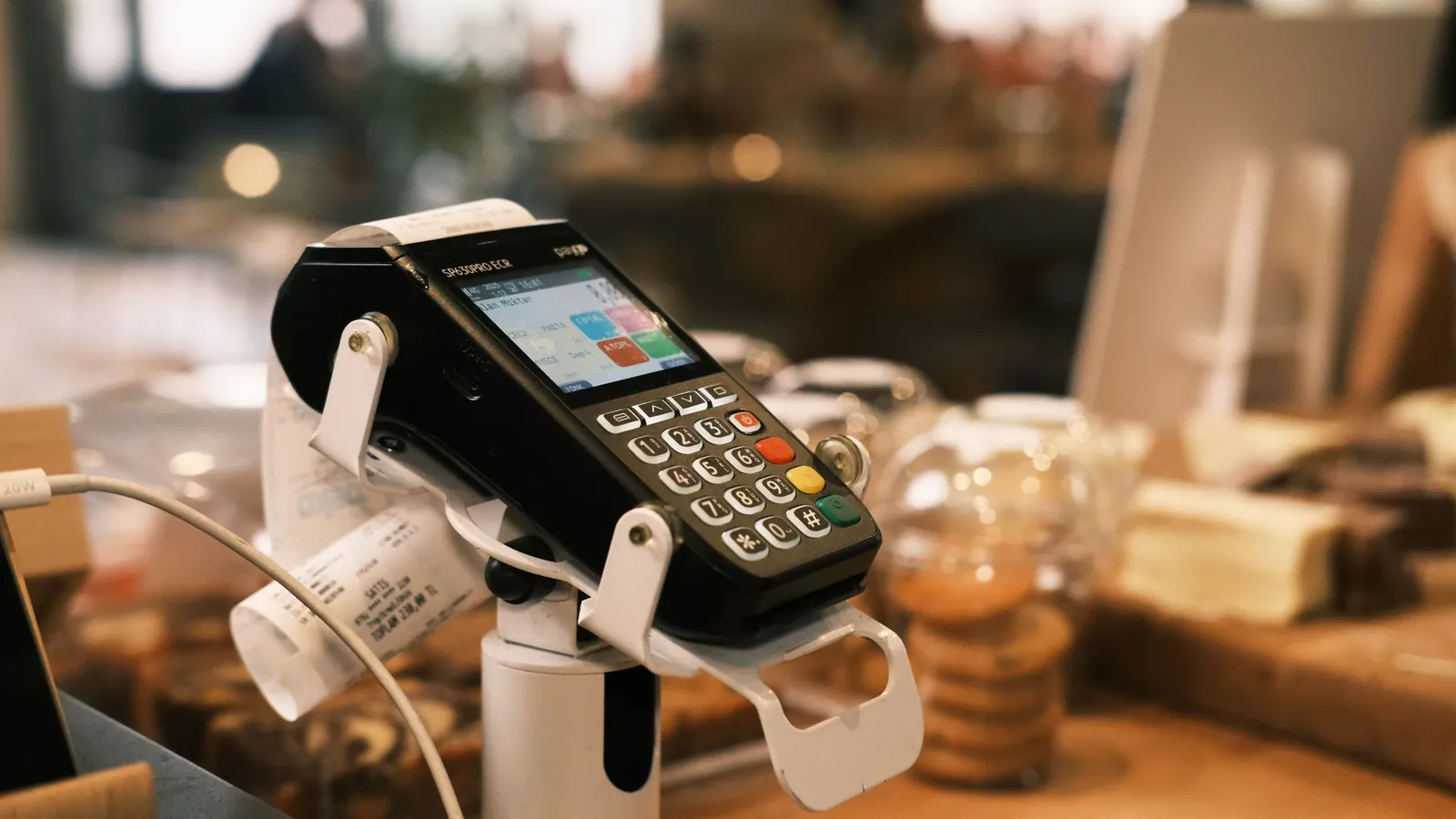
“End-to-end” in retail AI gets sold as breadth: one vendor covering forecasting, pricing, personalisation, and service, every box ticked. The boxes are the easy part. What decides whether any of it works is the boring middle, the integration with your point-of-sale, your inventory system, and your e-commerce platform, kept in sync and running unattended. End-to-end AI development for retail means owning that middle through one workflow, not demoing ten.
Retail AI development lives or dies in the integration nobody demos
A demand-forecasting model is a weekend project for a competent team. Getting it to read live sales from your POS every night, reconcile against the inventory system, write recommended orders back somewhere a buyer will see them, and do that reliably for a year, that is the work. The model is maybe 20% of the effort. The other 80% is plumbing: connectors, data sync, error handling, the retry logic for when an API is down at 2am.
This is why a suite of impressive retail AI development demos can add up to nothing in production. Each piece works in isolation and none of them connect to the systems that actually run the store. A vendor offering end-to-end coverage of every category, with no specific story about how one workflow reaches production through your existing stack, is selling breadth you cannot use.
The test for a real end-to-end claim: ask the vendor to walk one workflow from raw data in your systems to an action a staff member takes, naming every integration in between. If they get vague at the integration layer, that is where your project will stall.
Scoping AI development for retail as one complete flow
Pick one workflow and demand that the vendor own all of it. A genuine end-to-end retail build has these parts, and a missing one means the project is not actually end-to-end.
- Live data in. The system reads from your real POS, e-commerce, and inventory feeds, not a spreadsheet someone exports weekly. Stale input is the most common reason a retail model’s output gets ignored.
- The model in the middle. Forecast, recommendation, or classification, scoped to the one workflow. Sized to your data volume, not a flagship retailer’s.
- Action out, where people work. The output lands in the tool the buyer, merchandiser, or store manager already uses. An insight in a separate portal nobody opens is a dead end.
- Monitoring and ownership. Someone is told when the sync breaks, and you hold the code and the connectors at the end. End-to-end without ownership is a subscription you cannot leave.
End-to-end AI retail solutions are proven by one workflow that runs
The proof that a vendor can do end-to-end is a system that runs across surfaces without a human stitching it together each day. Our build of WA Center, a multi-role communication platform, is not retail, but it is the exact discipline: multiple functional surfaces, real integrations, and the client owning the code at the end so the platform keeps running whoever maintains it. That is what end-to-end ownership looks like, and it is the property to demand from retail AI software too.
The retail-specific categories that ship, forecasting, pricing, personalisation, inventory, are mapped in AI for retail beyond chatbots. The point of this piece is narrower: whichever category you start with, success is the integration holding, not the model’s cleverness. Getting AI to live inside the tools your staff already use is most of the battle, and it is the part vendors skip in the demo. The build layer is on capabilities; the integration discipline is what separates a shipped system from a pile of pilots, and a paid audit is where the one workflow gets chosen.
When a full build is the wrong move
Three cases where you should not commission an end-to-end retail build.
- Your platform already includes it. Major e-commerce and POS platforms ship forecasting and personalisation. If you are on one and not using its AI features, turn those on first.
- You have one clear, contained need. If you only need a product-description generator or a returns classifier, buy or build that one thing. You do not need an end-to-end programme for a single task.
- Your systems are mid-migration. If you are replacing your POS or e-commerce platform next year, integrating AI into the old one is wasted work. Sequence the build after the migration settles.
- End-to-end retail AI is sold as breadth but ships as depth: one workflow running through your real systems.
- The model is roughly 20% of the work. The integration with POS, inventory, and e-commerce is the other 80%.
- A genuine end-to-end build has live data in, a scoped model, action where staff work, and monitoring plus ownership.
- Make the vendor walk one workflow from raw data to a staff action, naming every integration. Vagueness there predicts the stall.
- Skip the full build if your platform already includes it, you have one contained need, or your systems are mid-migration.
End-to-end AI development services for retail are worth it when one workflow runs start to finish through your live systems and you own it at the end. The audit is where that one workflow gets chosen and the integration gets scoped honestly. gamgi runs a two-week diagnostic that ends with a ranked opportunity map and one build you own. Which single retail workflow would change the most if it ran without anyone touching it?
Book your AI audit